Significance of Nitrogen in Compost
Nitrogen is a source of proteins, nucleic acids, amino acids, enzymes, and coenzymes. It’s an important growth factor for bacteria and fungi doing decomposition in compost. It supports cell growth and functionality.
Product quality and marketability
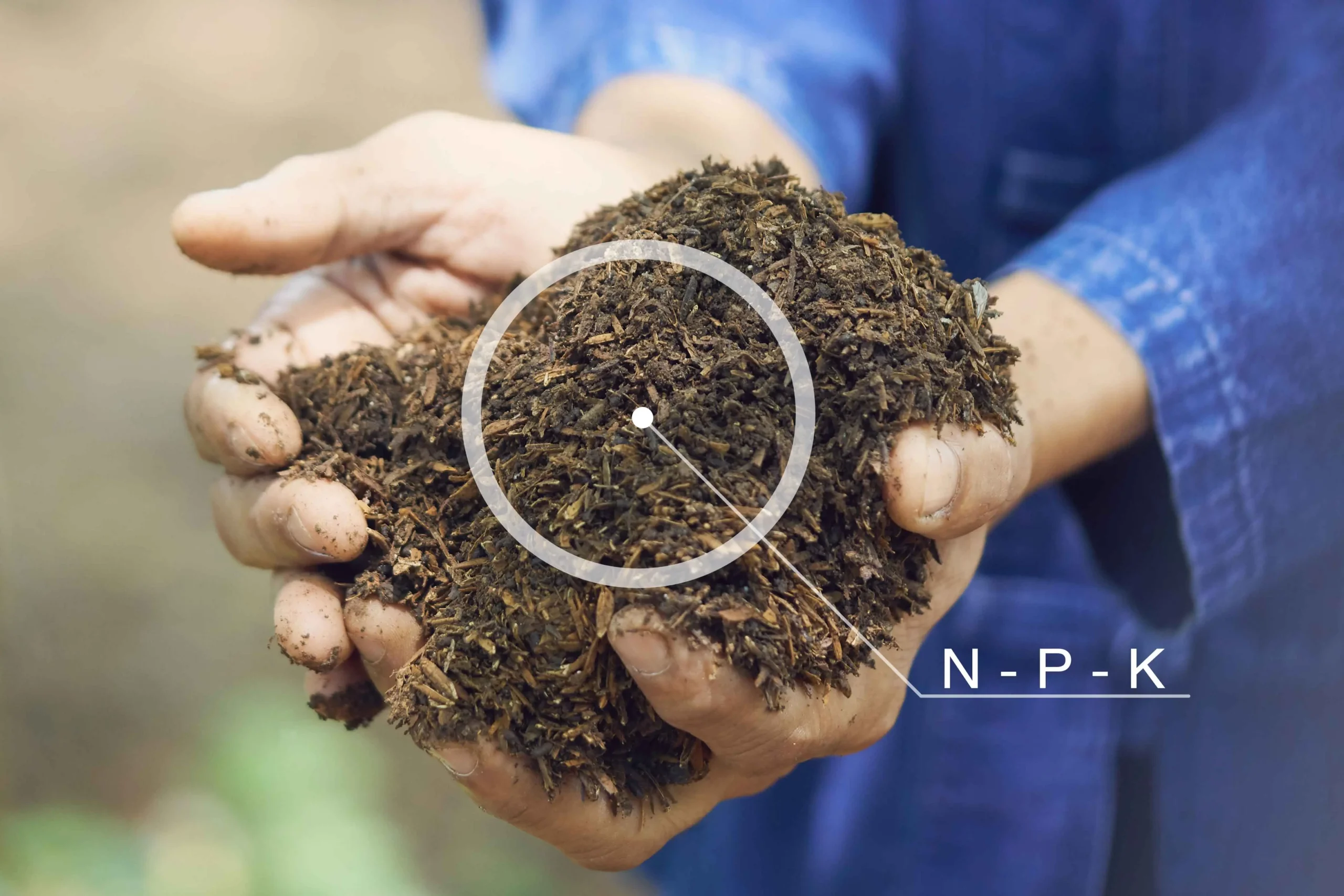
- Nutrient value is the main selling point. Nitrogen content (often reported as total N or as part of an N-P-K label) directly affects how much manufacturers can charge and how the product is marketed. Compost with reliable, labeled nutrient content competes better against synthetic fertilizers and other organic amendments.
- Maturity/stability indicators (like NH₄⁺: NO₃⁻ ratio) are used to certify that compost is “finished” and safe to use. Immature compost with high ammonia can damage plants (phytotoxicity), so manufacturers test this before bagging or selling.
Regulatory and environmental compliance
- Many jurisdictions regulate leachate and runoff nitrogen content from compost facilities because excess nitrate can contaminate groundwater or contribute to eutrophication of waterways.
- Compost quality standards (e.g., national or regional compost certification schemes) often include nitrogen-related thresholds manufacturers must meet to sell into certain markets (organic farming certification, for example)
Managing nitrogen losses = managing costs
- Volatilization losses (nitrogen escaping as ammonia gas) represent a real economic loss. This also creates odor complaints, which are a major operational and regulatory issue for facilities, especially those near residential areas.
- Getting C:N ratio right at intake reduces the need for costly nitrogen amendments later (like adding urea or blood meal) to correct deficient feedstocks.
Process efficiency
- Nitrogen availability affects how fast the pile composts too little nitrogen slows microbial activity and extends processing time (more labor, more turning, more energy if using mechanical aeration); too much risks odor and nitrogen loss. Getting the feedstock blend right (mixing high-carbon material like wood chips/straw with high-nitrogen material like manure or food waste) is a core recipe-formulation skill for any compost operation.